
|
     |
|
|
|
|
|
Your guide to green living in Montgomery County, MD |
Blog post written by Lucy Jones. In her day job, Lucy works closely with businesses to help them optimize their eco credentials. Away from the office, she’s a passionate blogger, and most enjoys creating content on the topic of sustainability.
As we’re all becoming more mindful of our environmental impact, there’s no better time to improve the eco-friendliness of our homes. If you’re looking to upgrade or renovate yours, here are three simple things to consider that could make your property more efficient and environmentally friendly.

Lighting is responsible for around 11% of a household’s energy usage, so this is an easy place to start when looking to improve your home’s energy efficiency. One of the simplest and most affordable changes is simply switching out incandescent bulbs for LED bulbs. LEDs use around 90% less energy than traditional incandescent bulbs and because they last up to 25 times longer, LED bulbs contribute to less waste, too.You should also consider ways to cut down on unnecessary lighting use. Smart switches can automatically turn lights off, which is handy if people in your household have a habit of forgetting to flip the light switch when they leave a room. Motion sensors can also help with this, particularly in hallways, corridors, walk-in closets or pantries, garages, utility rooms, and other spaces that get short bursts of use at a time.
Another great way to improve lighting efficiency in your home is to increase the amount of natural light available, so you need artificial lights less often. This usually entails more invasive and expensive changes, but if you’re already planning home renovations it’s something worth factoring in. Skylights or sun tunnels work well in spaces that don’t have any windows such as lofts, hallways, cupboards, and small bathrooms. Or, you could consider enlarging windows or replacing solid doors with glazed doors to help more natural light brighten up your space.
Choosing energy-efficient appliances can go a long way in boosting your home’s eco-friendliness. TVs, gaming consoles, washers, dryers, and ovens typically contribute to a total of 31% of your home’s total energy consumption. So, if you’re gearing up to replace any of these items, be sure to consider the energy efficiency rating of various models before choosing.Look out for the ENERGY STAR logo on appliances, which shows it has been designed to use energy efficiently. You can also check out Energy Guide labels, which display the appliance’s annual energy usage and operating costs.
Keep in mind that it requires a lot of energy and resources to manufacture home appliances, particularly large goods like washers, dryers, ovens, and refrigerators. With this in mind, it’s best to avoid replacing appliances before their time, even if there are more eco-friendly models available. If you can repair it affordably, this is often the more eco-friendly choice.
When it is time to say goodbye to an appliance, make sure it reaches a suitable recycling facility so that its recyclable parts can help make new appliances and any toxic materials can be safely disposed of – instead of harming the environment in landfill.
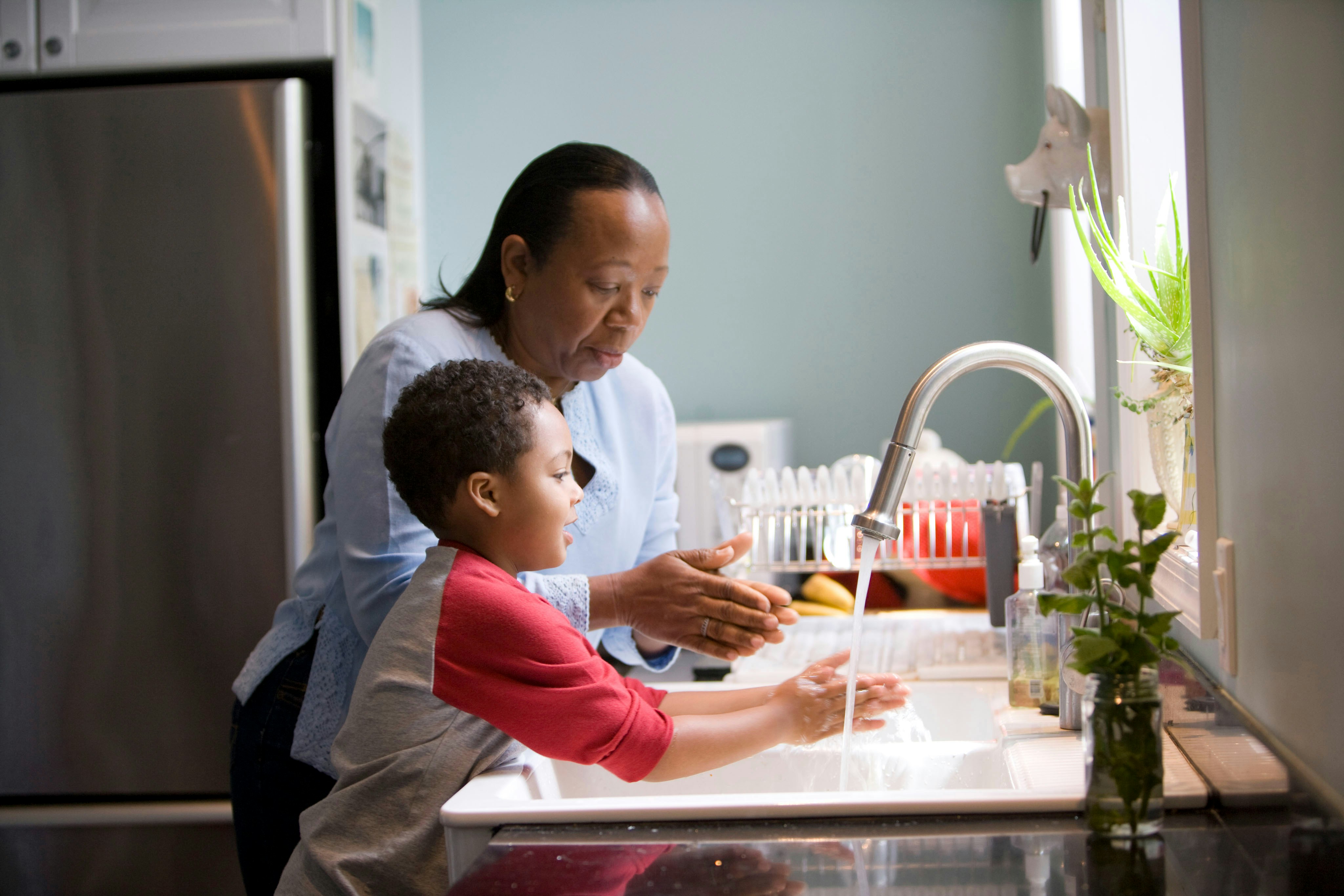
 Despite being scarce in many parts of the world, immense volumes of water go to waste as a result of our daily habits at home. In some regions, particularly during hot and dry weather, water wastage contributes to water shortages that threaten both human health and wildlife. It also takes an immense amount of energy to maintain the clean water supply to our homes, so it’s important to avoid wasting it as much as possible.If you’re planning bathroom renovations, choose water-efficient fixtures and fittings such as dual-flush toilets and low-flow, high-pressure faucets and shower heads. If you’re relandscaping the garden, think about drought-tolerant, ground-covering plants, such as clover, sedum, or creeping thyme – which require significantly less water to thrive than lawns. You could also install a water butt in your yard so that you can collect rainwater and use it for watering plants, flushing the toilet, or cleaning.
Most of the eco-friendly improvements we’ve outlined here are relatively simple changes, but they can have a big cumulative impact on the efficiency and sustainability of your home. By keeping the environment in mind at every stage of your home improvements, you can make lots of small adjustments that have a mighty impact on your property’s eco credentials.
|
|
© 2011 - 2026 My Green Montgomery |

