
|
     |
|
|
|
|
|
Your guide to green living in Montgomery County, MD |

Guest blog post written and submitted by Stuart Cooke is the Marketing Manager at My Baggage, a luggage shipping service that aims to always put the environment first.
 Transportation shapes our modern world from personal mobility, and global commerce, to the generally seamless flow of goods across continents. This convenience indeed comes with a considerable environmental cost. Transportation contributes roughly 25% of global CO2 emissions, standing out as one of the most significant contributors to climate change. This guide discusses practical ways of making transportation more sustainable across three key areas; personal travel, commercial shipping, and the often-overlooked realm of personal luggage and shipping choices.
Conscious choices in personal travel, support for sustainable commercial shipping practices, and a watchful eye on our own shipping and luggage decisions can greatly reduce the environmental impact of transportation while it continues to play an integral part in our lives and economy – and to help in those choices here is our travel hacker’s guide to sustainable transportation
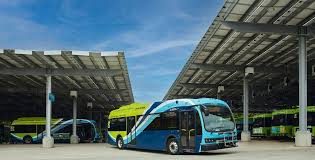
 The sustainable transport movement gets its momentum from the people in their individual capacity when they choose to use it for commuting or traveling. Public transit systems-electric buses and trains-most dramatically lower carbon emissions per person when compared to private vehicles. Many cities around the world build their public transportation systems, adding electric vehicles to fleets and mapping efficient routes to help reach even more communities. When taking public transportation, if possible, try to travel at off-peak hours to help balance the capacity of the system and reduce congestion.
Active modes of travel, such as walking and cycling, involve zero emissions for shorter ranges and are, therefore, healthy options. In most urban centers, the feasibility is improving with dedicated bike lanes (electric bikes fill in the gap between traditional cycling and motorized transportation) and pedestrian zones – such a great example is Bethesda Row in Montgomery County, Maryland, for optimized routes taken by pedestrians.
This trail, from Georgetown, Washington DC, to Silver Spring, Maryland, connects with the Purple Line light-rail encouraging both locals and visitors to make the most of this walking-friendly environment.
On occasions when private vehicles are needed, there are a fair number of sustainable options. Electric vehicles are gaining in range and becoming more affordable all the time, with hybrid vehicles offering bridge technology. Car-sharing and ride-pooling programs can reduce the overall number of vehicles on the road, especially in urban areas. If one can’t make the switch to an EV, proper vehicle maintenance and techniques of eco-driving can significantly reduce fuel consumption and associated emissions.
The shipping industry has some peculiar challenges in its path to sustainability. Ocean freight, which accounts for about 90% of global trade, is taking several steps to clean up its act. First, for example, is the practice called slow steaming-sailing at slower speeds-that can cut fuel consumption by as much as a fifth. Newer vessels have more efficient hulls and propulsion systems, while companies are also trying their hand at wind-assisted propulsion and solar power for auxiliary systems.
Another frontier in sustainable shipping is alternative fuels. For example, LNG has a lower emission when compared with traditional marine fuels, and hydrogen and ammonia show promising zero-emission solutions for the future. The ports are changing, too, as many of them install shore power systems that allow ships to tap into the electrical grid rather than run generators while in port. Equally impressive changes are afoot on land. Electric trucks are now economical for short and medium hauls, while companies are increasingly optimizing their logistics networks to minimize empty runs and maximize cargo loads. For longer-distance hauls, intermodal transport-using rail and then truck-can be an even greener alternative.
 When we look at practices that contribute to sustainable transportation, much has to do with luggage and packing. Lighter luggage saves fuel resources in all forms of travel. Newer materials, such as recycled plastics and sustainable fabrics, provide durability with less environmental cost. When choosing luggage, choose products that are designed to last rather than the latest fast-fashion trend; this cuts down on waste and use of natural resources.
Smart packing is efficient transportation. Techniques for compression packing ensure space is maximized; the number of smaller vehicles or trips will be reduced. Consider the lifecycle of items being transported: selecting versatile clothing and multi-use items decreases the need for excessive luggage. When possible, use luggage with wheels to utilize public transportation and decrease reliance on taxis or ride-sharing.
 The future is promising in transportation, at least. Urban air mobility, especially, involves eVTOLs that are going to give zero-emission alternatives on many routes, while autonomous vehicles will be positive for emissions reductions due to their better running efficiencies. High-speed rail networks keep their growth going, offering sustainable alternatives on many short-distance flights.
Digital technologies are making transportation ever more efficient. Real-time tracking and route optimization reduce wasted movements in personal and commercial transportation. Mobile apps that help users seamlessly combine different modes of transport make sustainable choices far easier. Blockchain technology is being explored to independently verify sustainable practices in shipping and supply chain management.
Making sustainable choices in transportation involves different things; it means considering the overall impact on the environment rather than immediate convenience at the time of trip planning; it may also mean selecting direct routes instead of multiple connecting flights even when these appear costlier upfront. Try various sustainable options to find what will work best in your situation for regular commutes. The time and planning involved in building sustainable habits in transport are a big effort.
First, examine your regular travel patterns and find opportunities to make more sustainable choices. Consider joining car-sharing programs or investing in quality walking/cycling gear. When traveling, research public transportation options at your destination before arrival and stay in accommodations close to transit hubs.
Sustainable transportation ranges from personal travel to global shipping networks. While many environmental challenges persist, advances in technology and a growing ecological consciousness are creating opportunities for positive change. By making conscious choices regarding modes of transport, shipping methods, and cargo efficiency, individuals and organizations alike can contribute to reducing environmental impact.
What matters is balance: meeting present needs while long-term sustainability is achievable, even when recognizing that small changes in the way we move people and goods can add up to important reductions in transportation’s environmental footprint.
|
|
© 2011 - 2026 My Green Montgomery |

