
|
     |
|
|
|
|
|
Your guide to green living in Montgomery County, MD |

The One Big Beautiful Bill Act (OBBA) was signed into law on July 4, 2025, and as a result, it significantly changes what we can expect in terms of clean energy tax credits, particularly those established by the Inflation Reduction Act (IRA). If you are thinking about going solar, purchasing an electric vehicle, or making energy upgrades to your home, you will want to act fast.
Additionally, the BlueGreen Alliance created What Survived? An Update on Inflation Reduction Act Programs – this updated resource, composed mainly of charts, will show the impacts of the budget bill passed in July (“OBBBA”), and provide a realistic view of what still exists for investment from IRA incentives and related programs.
Here is what you need to know…
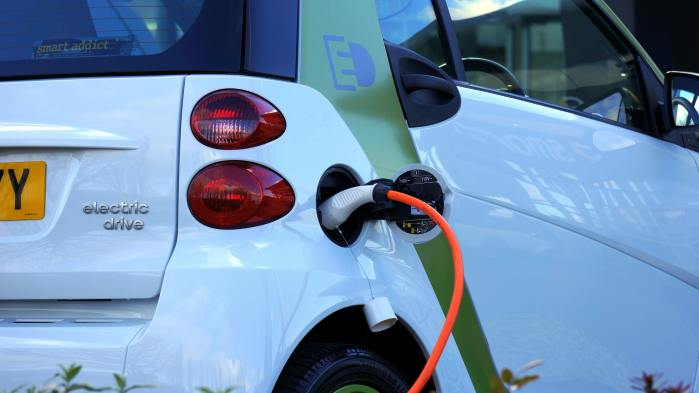
Photo by Mike Bird
Electric vehicles (EVs) are the future of transportation. You can find quiet, emissions-free EVs in many different makes and models that fit your lifestyle and driving habits. EVs offer more convenience with the ability to charge at home and work. EVs also have a lower total cost of ownership compared to internal combustion engine (ICE) vehicles, thanks to savings on fuel and fewer maintenance needs. EVs can save you over $1,000 a year on fuel costs relative to gas vehicles, require less maintenance, and have no tailpipe emissions.
TAX CREDIT INFORMATION
EV PURCHASING CO-OP DEALERSHIP INCENTIVES
The Montgomery County EV Purchasing Co-op works with local dealerships to highlight incentives and discounts that will save residents money to purchase or lease new and pre-owned electric vehicles. Residents that join the EVPC demonstrate strong demand for EVs, and local dealers can offer incentives and discounts to attract interested customers. Each month, participating dealerships and other automotive retailers in the County are invited to share incentives that they currently offer.

Photo by Kathleen Austin Kuhn
The cheapest form of energy is the energy that we don’t use. Energy efficiency is the practice of using less energy to achieve the same outcome. It’s about minimizing energy waste and maximizing the output from the energy we consume. In an effort to become more energy efficient, electrification has become one way that we can do that. Electrification is the process of replacing technologies that use fossil fuels (coal, oil, and natural gas) with technologies that use electricity as a source of energy.
Before electrifing your home, we encourage residents to schedule a Home Energy Assessment to transform your home into an energy-efficient space. Whether you live in an apartment, condo, townhouse, or single-family home, you can schedule a home energy assessment through the EmPOWER Maryland Program today. There are two options in the state of Maryland.
TAX CREDIT INFORMATION
OPTIONS TO ELECTRIFY YOUR HOME
Montgomery County launched “Electrify MC,” a pilot program to help residents make the switch from fossil fuels like oil, gas and propane to cleaner electric alternatives. Electrify MC simplifies the switch to electric energy for home heating, cooling and other systems. Elysian Energy, a trusted local expert, manages the program and offers guidance throughout the process. If you would like to reduce your monthly utility bills and are concerned about climate and health, it’s time to start planning an all-electric home update.
Start Your Electrification Journey
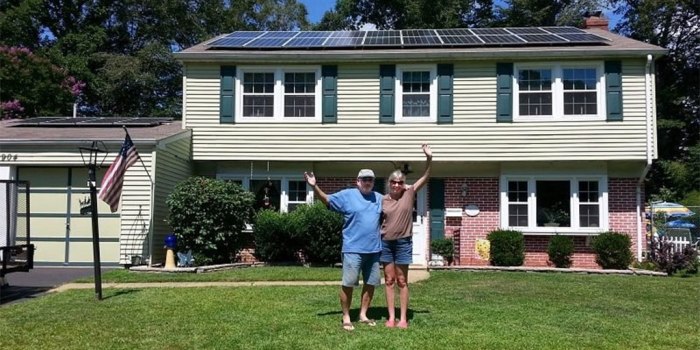
Photo from Solar United Neighbors
OPTIONS TO GO SOLAR – SWITCH TOGETHER
Interested in installing solar panels on your roof or adding battery storage? We are happy to promote another round of Switch Together! This group buying initiative allows residents to go solar at a significant discount, with optional electric vehicle chargers and battery storage. In collaboration with the deeply experienced nonprofit Solar United Neighbors, the program guarantees high-quality solar installations for residents and small businesses.
Sign up for an Upcoming Informational Session
Switch Together uses the power of group buying to secure a competitive price for your solar installation through a reverse auction process through which solar installers compete to offer their best prices. By registering with Switch Together, you’ll receive a free solar recommendation from a pre-vetted installer. This proposal is customized to your home and will help you make an informed decision. You will receive your recommendation immediately upon registering.
The current program is expected to save the average household $6,958 on a typical-sized solar installation. The 30% federal tax credit can further reduce your costs, making solar energy more accessible than ever before. New legislation sets a deadline to claim a 30% solar tax credit. Only expenditures made by December 31, 2025 will be eligible under the new law — act this year to secure your tax savings.
Registration is free and there’s no obligation to proceed with a solar installation. This makes for a safe and easy way for Montgomery County residents to participate in the program. To discover how much you can save by going solar, sign up by September 3, 2025 at SwitchTogether.com/Solar/CapitalArea.
OPTIONS TO GO SOLAR – COMMUNITY SOLAR
If you want to benefit from solar energy but can’t install panels at your home, community solar projects offer a perfect solution. By subscribing to a larger solar farm in your area, you can still enjoy the same benefits as if you had solar panels on your roof.
Montgomery County Department of Environmental Protection and EnergySage have teamed up to help you explore community solar options. These resources are completely free and available online, with optional advisory services if you need them. EnergySage’s educational information, marketplace and optional advisory service help you consider your options with confidence. These resources are totally free and 100% online, no calls unless you want them.
OPTIONS TO GO SOLAR – INSTALL YOURSELF
For residents looking to install solar panels or heating, the Maryland Energy Administration created a booklet entitled, A Maryland Consumer’s Guide to Solar. This booklet is an educational resource for Maryland residents who are considering installing a solar photovoltaic system on their home. As solar PV systems are expected to have lifetimes of 25 years or more, it is important for residents to have a good understanding of all aspects of the decision to “go solar.”
Solar projects require two permits: a building permit (for the attachment of the solar panels) and an electrical permit (for the connection to the home’s electrical service). Properties with an individual well and septic system will have additional requirements. Rooftop solar projects must be applied for electronically. For qualified projects, visit the eSolar webpage for more information.
Do you have any questions about rooftop solar? It can be confusing to figure out how to get and pay for rooftop solar, but there is help available. Watch Maryland’s Office of People’s Counsel attorney Brock Miller talk about solar options, what steps you can take to get rooftop solar, and how to pay for the investment in two sessions: Solar 101 and Solar 102
|
|
© 2011 - 2026 My Green Montgomery |

