
|
     |
|
|
|
|
|
Your guide to green living in Montgomery County, MD |

 This article was written by Teri Silver, a journalist and outdoor enthusiast. She and her husband live on 5 acres with a vast lawn, three gardens, a farm, a pond, many trees, and a lot of yard work! The best parts of the year are summer and fall when home-grown veggies are on the dinner table.
Planet Earth is full of natural resources we depend on for everyday living. Household energy use drains natural resources, and the more we use now – unless it’s replenished – the less there will be for future generations.
Reducing our reliance on electricity, fossil fuels, and other sources of generated energy is a small step for now…but a huge step for the earth’s long-term ability to sustain life. Reducing household energy use goes beyond the standard reduce, reuse, and recycle mantra we’ve all been taught.
It takes a conscious effort and attitude to get the job done in our own households. Commitment to a “green” home and reducing energy usage is the start of making everything work. And the bonus? Lower energy usage reduces monthly utility bills.
The term “sustainability” gets thrown around a lot but in a nutshell, it’s the balance between how we use natural resources for economic gain and everyday living, and whether those resources will still be there in years to come. Sustainability connects business development to what the earth can reasonably provide—and regenerate.
Households don’t use up much electricity on their own—it’s the people inside them that burn up the juice. This is where the attitude and commitment come into play for reducing the amount of energy the home needs.
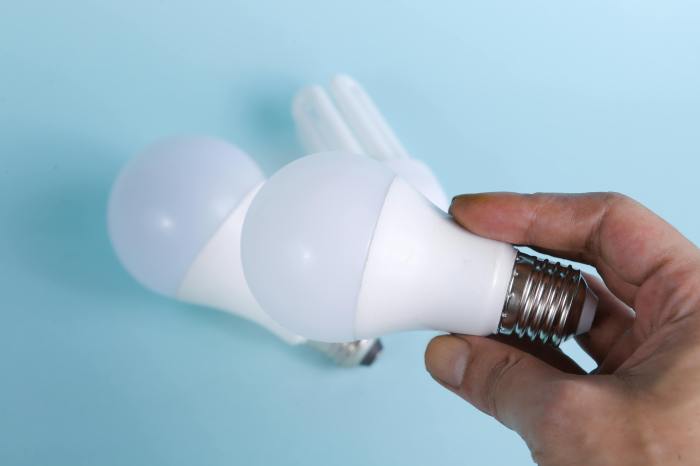
Photo by Riki Risnandar/Pexels
On average, a standard home of less than 2,000 square feet uses about 900-1000 kWh each month—roughly 30-33 kilowatt hours. The amount varies in extremely hot or cold climates. Here are ways to reduce the amount of electricity used each day.
Lighting. Energy-efficient lighting with LED bulbs reduce the amount of power needed for brightening up a room. Because lighting makes up about 15 percent of the home’s energy use, using LED bulbs (instead of incandescent bulbs) cuts back on the number of kilowatt hours.
Appliances. Energy-efficient appliances like refrigerators, washers, dryers, and dishwashers cut back on the amount of electricity needed to run them. Government-certified appliances marked with the Energy Star labels are recommended, especially when it’s time to replace or upgrade your household conveniences.
Heating and Cooling. Sealing leaky windows and foundation cracks keeps air from seeping in and out during hot and cold days. Well-maintained HVAC systems keep the units from working too hard. Seasonal checkups and clean replacement air filters will help the system run smoothly. Energy-efficient windows protect warm or cool air inside.
Hot Water. Besides taking shorter showers every day, Energy Star hot water heaters cut back on the amount of natural gas or electricity needed to get your day started.
“Always On.” The refrigerator, computers, phone and tablet chargers, and just about any entertainment system is always running. While you cannot turn off the fridges and freezer, you can cut back on anything that is not absolutely essential. Consider installing a smart meter to monitor your home’s hourly electricity consumption. Turn off what absolutely doesn’t need to be on.

Image by Benjamin Balazs/Pixabay
Natural resources help to protect themselves—with a little assistance from the people who care for them. Lower your energy bills with landscaping by placing leafy deciduous trees around the perimeter. They provide shade to the house, keeping the building from getting too hot in the summer. While you may still be using the air conditioner, you won’t have to turn the thermostat so far down.
In the winter, because leafy tree limbs are bare, sunlight will be able to peek through the house windows. Strategically positioned deciduous trees and shrubs can save up to 25 percent of the household’s energy usage.
Evergreen trees can create windbreaks, which help protect the house during cold winter months. Thickly growing conifers block hard winds that come spiraling toward the house, especially during snowstorms.

Image by Gerd Altmann/Pixabay
Some of the most effective and controllable ways to reduce household energy and its use of natural resources comes from you.
The list is practically endless…what really works in reducing household energy use comes from you, and your own desire to reduce your carbon footprint. If you are looking for more programs to help lower your utility bills, check out Montgomery Energy Connection where you can learn ways to help the earth by doing your own part to keep our planet healthy.
|
|
© 2011 - 2026 My Green Montgomery |

