


 Guest blog written by Sinziana Spiridon, an outdoorsy blog writer with a green thumb and a passion for organic gardening. When not writing about weeds, pests, soil, and growing plants, she’s tending to her veggie garden and the lovely turf strip in her front yard.
If you feel like something is different in your yard lately, you’re not imagining things. Climate change isn’t just a news headline; it’s reshaping backyards right here in Montgomery County. The good news? Once you understand what’s happening, you can adapt your landscape to thrive in this new reality.
Montgomery County’s average temperature is now 2.2 degrees higher than the 20th-century average. That means shorter winters and summers that stretch deeper into fall.
It’s tempting to get outside on those first warm days in late winter or early spring and start planting. But here’s the catch: Early warm spells come with a high risk of late frost. Unless you’re starting seedlings indoors, it’s still better to wait until March.
But don’t wait too long either. Summer heat is arriving earlier than it used to. If you’re adding shrubs or perennials to your yard, have them in the ground by mid-May to give roots time to establish before the first hot spells.
Montgomery County now averages 4 days per year above 95 degrees, and that number is rising. To enjoy time outdoors, gorgeous flowers and patio furniture aren’t enough anymore. You need shade.
Did you know the air beneath a shade tree can be 15 to 20 degrees cooler than the surrounding area? Shaded surfaces can run 20 to 45 degrees cooler than if left in direct sun. That’s a big difference on a scorching July afternoon.
Where should you plant? The south and west sides of your home are prime spots. Studies show well-placed shade trees can reduce air conditioning needs by up to 30%. Other good locations include along driveways and walkways (to reduce the urban heat island effect), and near your patio, deck, or grill area.
Since 2015, the local Tree Montgomery program has planted 20,000 trees throughout the county, and 56% of these trees are growing in single-family yards like yours. Want a free shade tree? Check the Tree Montgomery website to see if you’re eligible.

Photo by zekkotek on Unsplash
Not every yard can fit a shade tree, and trees take years to mature. For shade this season, consider installing a pergola over your outdoor seating area. A gazebo creates a fully enclosed retreat from the midday sun.
Arbors work beautifully over a garden bench, and hedges or trellises with climbing vines can block the brutal western afternoon sun.
Climate change isn’t only about heat. It’s also bringing heavier, more intense rainfall, which can increase water pollution if not managed properly. When heavy rainfall turns into runoff, it washes over ground and pavement, collecting oils, fertilizers, trash, and other contaminants that pollute streams, rivers, and the Chesapeake Bay.
Water that soaks into your yard still reaches the Bay, but it arrives clean, filtered naturally by plants and soil. The more water we can filter through soil and plants (rather than letting it rush off as runoff), the cleaner and healthier our waterways stay.
A few practical landscape changes can make a real difference:
The USDA map update of 2023 confirmed what many Montgomery County gardeners already suspected: We’re officially in a warmer hardiness zone now. Back in 2012, most of the county was in zones 6b and 7a. Today, we’re solidly in zones 7a and 7b.
How can you use the updated, warmer USDA map in your landscape? Check the USDA zones for your annuals and those plants that show signs of stress.
Some tender species you used to grow as annuals or bring inside for the winter may now survive outdoors year-round. Hardy gardenias like ‘Frost Proof ,’ along with cold-hardy camellias like ‘Kleim’s Hardy,’ are becoming reliable choices for Montgomery County gardens. Southern magnolias and crape myrtles, which were once risky picks for our area, are now thriving.
On the other hand, plants that once thrived may now struggle. Take boxwoods, for example. They’ve been a landscape staple for decades, but they’re faltering in our warmer, wetter conditions. Alternatives like Southern bayberry and yaupon holly are proving to be more resilient options that can fill the same role in the landscape.
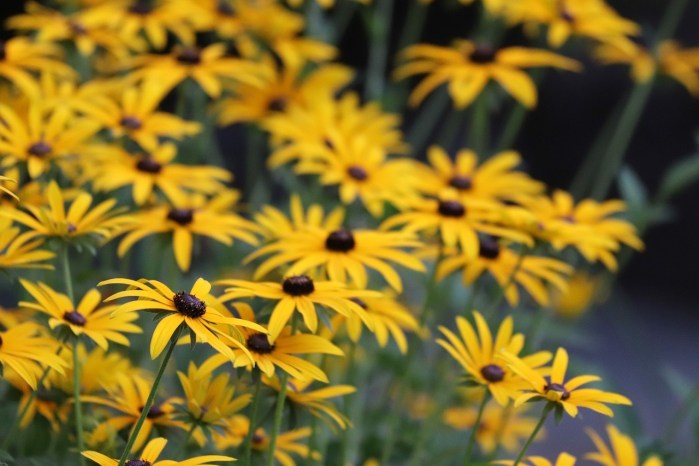
Image by Mari from Pixabay
It’s not only heavy rainfall we’re dealing with. Climate change also means unexpected droughts that can turn your yard brown.
To keep a green, healthy landscape that doesn’t fail in dry weather, add drought-resistant species. Many native plants fit that bill beautifully: Threadleaf coreopsis, black-eyed Susan, and native sedges are all great options.
An efficient irrigation system helps too. Drip irrigation delivers water directly to roots, reducing waste. And don’t forget mulch: A 2- to 3-inch layer keeps the soil cool and moist, giving your plants a fighting chance during hot, dry summer days.
Climate change is here, and it’s showing up in our backyards. But that doesn’t mean we’re powerless. Every shade tree planted, every rain garden installed, every smart choice made adds up to the solution, and your yard can be a part of it.
The best part? A climate-adapted landscape isn’t just good for the planet. It’s also easier to maintain, more comfortable to enjoy, and more resilient through whatever weather comes next.