|
     |
|
|
|
|
|
Your guide to green living in Montgomery County, MD |

By Caleb Leonard
The ubiquitous presence of single-use plastics has crept into our lives seemingly unnoticed. Yet, the profound impact of these fleeting conveniences on our planet is becoming impossible to ignore.
Explore the problem with plastic and discover tips for reducing single-use plastics in your daily life: on the go, as you shop, around the house, and in your yard.
Single-use plastics are destroying the planet. Disposable items, like plastic bags, bottles, straws, and to-go containers, contribute to the ever-growing global pollution crisis.
As they break down, plastics release harmful toxins into the ground and water, posing threats to wildlife that ingest or become entangled in these wasteful items. And it’s not just wild animals. The average person ingests a (almost) credit card’s worth of plastic each week!
As well as contributing to greenhouse gas emissions, single-use plastics consume fossil fuels.
More importantly, most plastics are used for mere moments before being tossed to linger in landfills for centuries.
From production to disposal, these plastics disrupt ecosystems and harm the natural world, underscoring the urgent need to reduce their use and embrace more sustainable alternatives.
Thankfully, minor adjustments to your consumption habits can help you reduce plastic waste and its damaging effects on our planet. Here’s how:
Reusable shopping bags cut plastic waste by eliminating single-use plastic bags from stores. Sturdy reusable bags limit the production and distribution of plastic bags that would otherwise end up in landfills, littering the environment or harming wildlife.
Bags made from canvas, jute, and recycled fibers are much stronger than flimsy plastic options and can hold more weight than their disposable counterparts. Plus, more and more retailers are implementing fees for single-use bags to curb this type of waste. Switching to reusable bags reduces pollution and waste while cultivating a sustainable lifestyle.
Curb plastic bottle waste by embracing reusable alternatives. Invest in a durable, BPA-free water bottle made of stainless steel, glass, or other eco-friendly materials. You can carry it with you wherever you go, and instead of wasting money on new bottles, you can refill your bottle for free.
You can also use a travel mug for your morning coffee or afternoon tea, too. Insulated mugs will keep your drink at the perfect temperature throughout your day and cut down on landfill waste.
Adopting these simple habits will reduce single-use plastics and save you money. It’s a win-win.
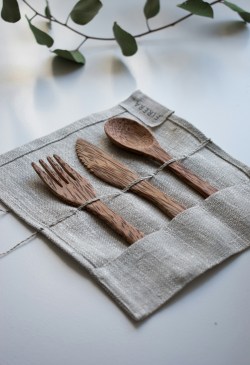
Giving up plastic straws and disposable cutlery is crucial in the fight to reduce plastic pollution and its devastating environmental impact. These seemingly insignificant items harm our planet, often ending up in our oceans and endangering marine life.
Plastic straws and cutlery take hundreds of years to decompose, and their production relies on fossil fuels.
Not a fan of paper straws? No problem! Try reusable alternatives like stainless steel or bamboo and carry your reusable utensils with you. Eliminating flimsy, single-use straws and silverware preserves the planet’s fragile ecosystems and contributes to a cleaner, more sustainable future.
Every day, billions of people worldwide take their lunches to work and school. While bringing your lunch from home is financially shrewd, traditional American lunches rely heavily on single-use plastics. From sandwich bags to granola bar wrappers, these lunches produce a lot of waste.
A quick online search reveals perfectly compartmentalized lunch boxes inspired by bento boxes. These reusable lunch boxes keep your food organized with no individual plastic packaging.
Are you concerned about stale sandwiches and leaky fruits? Pick up compostable sandwich bags or beeswax food wraps. Ditching single-use plastics doesn’t mean doing without; it means doing things differently.
You can also take your reusable lunch box with you when you eat at restaurants, so you’re ready to carry out your leftovers. Many restaurants are switching to cardboard to-go boxes, and while these may seem better for the environment, oily and greasy cardboard cannot be recycled.
Adjusting your shopping habits is the most effective way to reduce single-use plastics. You’ll notice waste everywhere once you become mindful of your single-use plastic consumption. Here are a few tips to get you started:
Farmer’s markets are a waste reduction haven. With an emphasis on local and sustainable produce, these markets offer fresh fruits and vegetables without the excessive packaging of traditional grocers.
Buying bulk items reduces plastic waste. Stores that sell bulk items, such as grains, nuts, seeds, pasta, and spices, typically use minimal or no plastic wrapping. Instead, they have large containers available, and they encourage shoppers to bring reusable bags, jars, or containers and fill them with their desired quantity.
Bulk items reduce single-use plastic bags, containers, and wrappings that are common in pre-packaged products. Best of all, shopping this way sends a powerful message to retailers and producers about the demand for more sustainable, package-free shopping options.
Consumers who choose glass jars and metal cans avoid plastic waste. Glass and metal are durable and recyclable, making them more environmentally friendly than packages made from single-use plastic. Additionally, these materials preserve food quality and freshness better than plastic packaging.
One of the most impactful arenas for change is within our own homes. Every decision is pivotal in curbing plastic waste, from our daily routines to our chosen products. Here are a few pointers for reducing single-use plastics in your home:
Liquid soap comes in plastic bottles, and those bottles wind up in landfills or oceans. Bar soap, on the other hand, is sold in minimal packaging, reducing plastic waste. Bonus points if you look for eco-friendly packaging, such as paper or cardboard.
Switching to eco-friendly cleaning products isn’t as difficult as you might think. Try switching to refillable containers to minimize plastic packaging. You can also try concentrated cleaning solutions that require smaller containers, reducing plastic waste.
Reduce using disposable paper towels and wipes by switching to reusable cleaning tools such as microfiber clothes, plant-based sponges, and machine-washable mop pads. You can also explore DIY cleaning solutions using natural ingredients like vinegar, baking soda, and lemon juice.
By adopting these practices, you’ll maintain a clean and healthy home and significantly reduce your plastic footprint. Plus, you’ll save money.
The plastic components and packaging used in menstrual products, like disposable pads and tampons, can take hundreds of years to decompose. By switching to plastic-free alternatives like reusable cloth pads, menstrual cups, or organic cotton tampons, you’ll significantly reduce the environmental impact of these hygiene necessities.
Eco-friendly diapers cut out plastic components like tabs, backing, and elastic. These diapers come in biodegradable or compostable packaging, and they decompose faster than traditional diapers, which take hundreds of years to break down.
Cloth diapers are always an option, but eco-friendly options are available if you prefer something disposable. Environmentally friendly diapers use plant-based, sustainably sourced wood pulp to create soft outer layers and absorbent cores.
Once you’ve eliminated single-use plastics inside your home, it’s time to turn your attention to your yard.
Here’s how to cut down on plastic waste in your yard to create a more sustainable landscape:
Integrating these eco-friendly practices into your daily routine will significantly reduce single-use plastics, minimize waste, and help you lead a more sustainable and environmentally conscious lifestyle.
Caleb Leonard is a freelance writer and marketing professional. A graduate of the University of North Texas, his interests include gardening, podcasts, and studying Spanish.
|
|
© 2011 - 2026 My Green Montgomery |