
|
     |
|
|
|
|
|
Your guide to green living in Montgomery County, MD |


Blog post written by Lucy Jones. In her day job, Lucy works closely with businesses to help them optimize their eco-credentials. Away from the office, she’s a passionate blogger, and most enjoys creating content on the topic of sustainability.
In our quest to lead more sustainable lifestyles, the term green energy has become increasingly prevalent. But what exactly is it?
Simply put, green energy refers to power generated from natural sources that are renewable and environmentally friendly. This includes solar, wind, geothermal, hydro, and biomass energy.
These sources have minimal impact on the environment compared to traditional fossil fuels. By opting for green energy, homeowners and businesses alike can reduce their carbon footprint and support the transition to a more sustainable future.

Image: 3 Degrees Inc
Choosing a green energy supplier can feel overwhelming given the numerous options available. Here’s some advice to help you make an informed decision.
Check for certification and credibility
Ensure the supplier is certified by a reputable organization like Green-e (in the US) or Renewable Energy Guarantees of Origin (REGO) in the UK. Certification ensures that the energy you are purchasing is genuinely sustainable and sourced from renewable resources.
Understand the energy mix
Not all green energy plans are created equal. Some might include a mix of renewable and non-renewable sources. Check the supplier’s energy mix to ensure a significant portion, if not all, of the energy comes from renewable sources.
Look at the supplier’s ESG credentials
ESG stands for Environmental, Social, and Governance—three key factors used to measure the sustainability and ethical impact of a business. A supplier with strong ESG credentials demonstrates a commitment to not only environmental sustainability but also social responsibility and good governance practices.
Here’s a breakdown of each component:
When choosing a green energy supplier, considering their ESG performance can give you a broader view of their commitment to sustainability and ethical practices.
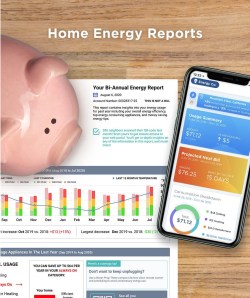
Image: Bidgely
Compare prices and plans
While green energy can sometimes be more expensive, prices have been falling as technology improves. Compare the costs and contract terms of different suppliers to find a plan that fits your budget and aligns with your values.
Read customer reviews
Customer reviews can give you insight into the quality of service and reliability of the supplier. Look for reviews on independent platforms to get unbiased opinions.
Evaluate additional services
Some green energy suppliers offer extra benefits such as energy-saving tools, smart meters, and personalized energy reports. These services can help you manage your energy consumption more effectively and further reduce your environmental impact.
Switching to green energy is a significant step towards a more sustainable lifestyle. By understanding what it is and how to choose a reliable supplier, you can make a positive impact on the environment while supporting businesses that prioritize sustainability.
Ready to make the switch? Start by exploring certified green energy suppliers, comparing their energy mixes, understanding their ESG credentials, and reading customer reviews. Together, we can contribute to a cleaner, greener planet.
|
|
© 2011 - 2025 My Green Montgomery |

